



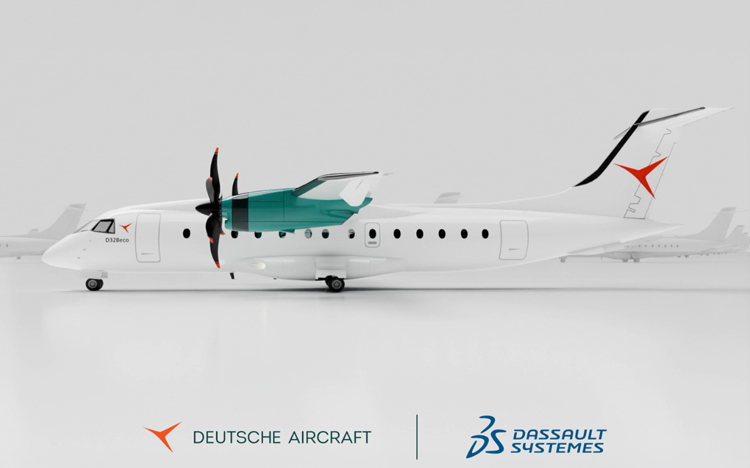
Deutsche Aircraft has advanced the development of its D328eco regional turboprop by deploying an integrated, model based digital engineering environment built on Dassault Systèmes' 3DEXPERIENCE platform. The move marks a significant programme milestone and strengthens the company's strategy to industrialise the D328eco using a modern, data driven development and production ecosystem.
The D328eco, a next generation evolution of the Dornier 328, is being designed for short and medium range operations with upgraded performance, modern avionics and full compatibility with sustainable aviation fuels (SAF). By incorporating virtual design, simulation and validation early in the programme, Deutsche Aircraft can assess system behaviour, structural loads and cabin configurations before physical manufacturing begins. This approach supports risk reduction, accelerates decision cycles and helps maintain development timelines as the programme progresses toward industrial maturity.
"Establishing a robust digital engineering platform is vital for the entire lifecycle of the D328eco to fulfill customer expectations," stated Nico Neumann, CEO of Deutsche Aircraft. "The 3DEXPERIENCE platform facilitates cross-functional collaboration and equips our teams with the solutions necessary to develop, manufacture, and maintain next-generation regional aircraft."
By centralising product requirements, configuration management and engineering data, Deutsche Aircraft ensures continuity between design, manufacturing and in service support. This digital backbone is particularly important as the company prepares for industrial ramp up at its new Final Assembly Line in Leipzig, where digitalised workflows will help enable a scalable and repeatable production system.
To further strengthen stakeholder engagement, Deutsche Aircraft is pushing for more digital innovation using Dassault Systèmes' 3DLive application connected to Apple Vision Pro. The solution enables the user to experience a virtual D328eco model or a virtual twin within a mixed-realistic environments. Use cases include reviewing cabin layouts, evaluating design options and rehearsing operational procedures, all using real time programme data derived from the actual aircraft's DMU.
"This technology enables clearer communication, faster alignment and a shared understanding of the aircraft across all partners," Neumann added. "It represents an important step in how modern aircraft are developed and supported and reinforces our commitment to bringing the D328eco to market as a next generation regional aircraft built in Germany."